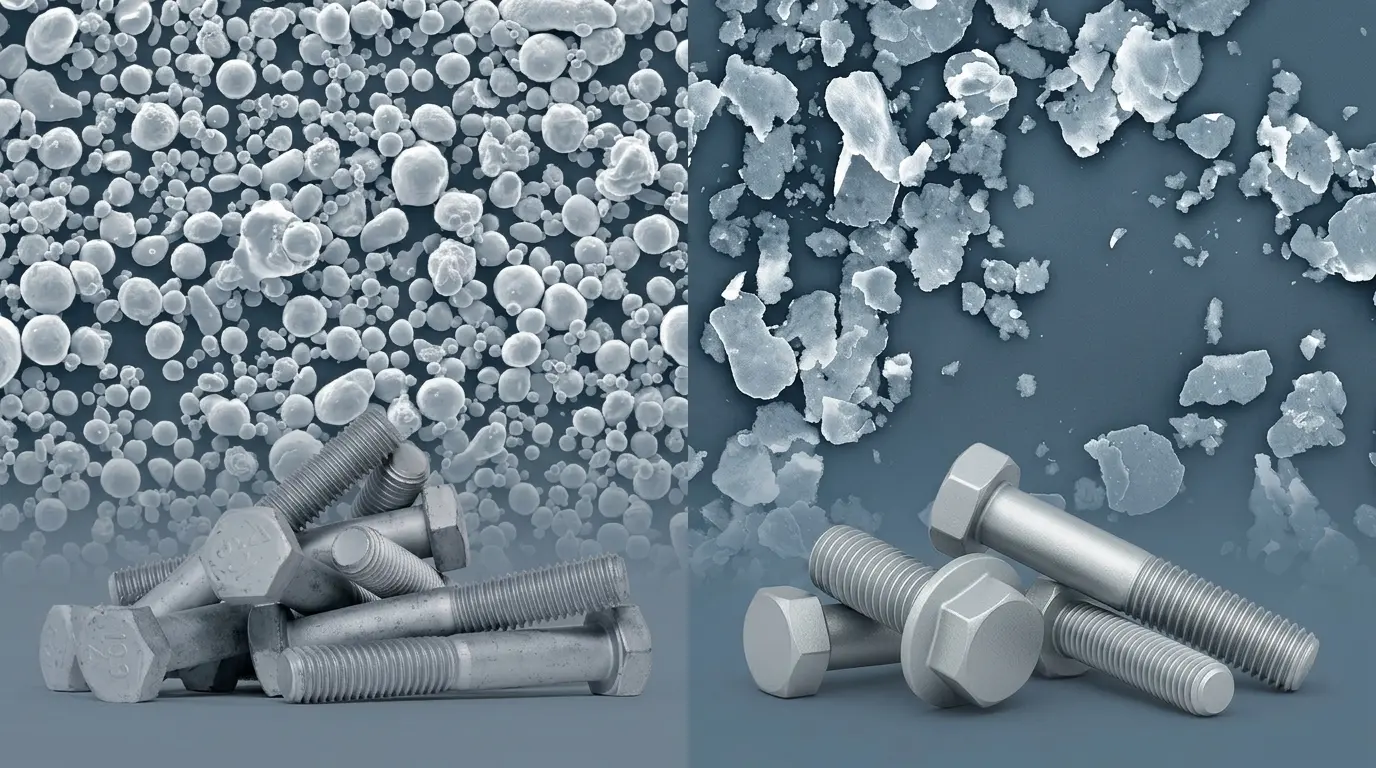

The electroplating industry is evolving rapidly with increasing demands for higher corrosion resistance, improved environmental compliance, better throwing power, and compatibility with modern components. While acid chloride zinc plating has traditionally dominated the industry due to its speed and brightness, alkaline zinc plating is steadily becoming the preferred technology for advanced applications.
From automotive fasteners to complex parts, alkaline zinc systems are proving their value.
We explore the key benefits of alkaline zinc plating over acid chloride zinc plating and why the future of zinc electroplating is shifting toward alkaline technology.
Zinc plating Two Systems
1. Acid Chloride Zinc Plating the more popular user friendly.
Acid chloride zinc plating is a high efficiency electroplating process known for:
- High plating speed
- Excellent brightness
- Low operating voltage
- Simple bath control
However, it comes with several limitations, particularly thickness distribution on complex parts components and high-performance CRC applications.
2. Alkaline Zinc Plating tough but fair friend.
Alkaline zinc plating can be divided into:
- Cyanide alkaline zinc (Outdated)
- Non-cyanide alkaline zinc (modern system)
Today, non-cyanide alkaline zinc plating is gaining widespread acceptance due to its:
- Superior throwing power
- Uniform deposit distribution
- Better passivation compatibility
- Reduced risk of hydrogen embrittlement
- Enhanced corrosion performance
Key Advantages of Alkaline Zinc Plating Over Acid Chloride Zinc
1. Superior Throwing Power
One of the biggest advantages of alkaline zinc plating is its excellent throwing power.
What does this mean?
Alkaline zinc can plate:
- Deep recesses
- Threads
- Internal surfaces
- Complex geometries
more uniformly than acid chloride systems.
Acid chloride zinc tends to:
- Build excessive thickness on edges
- Burn at high current density areas
- Leave low-current-density areas underplated
Why these performances mean a lot
Modern automotive and engineering components are becoming increasingly complex. Uneven zinc thickness can lead to:
- Premature corrosion
- Failed salt spray tests
- Poor thread fitment
- Inconsistent passivation
Alkaline zinc solves many of these issues by producing a far more uniform coating distribution.
2. Better Corrosion Resistance Performance
Although acid chloride zinc can produce bright deposits, alkaline zinc deposits are often:
- Finer grained
- More ductile
- More uniform
This makes them highly compatible with modern:
- Trivalent passivation’s
- Sealers
- Nanoceramic topcoats
Typical Performance Comparison
- Acid chloride zinc + trivalent passivation:
- Moderate corrosion performance
- Faster white rust formation in low-thickness areas
- Alkaline zinc + trivalent passivation + sealer:
- Significantly improved NSS hours
- Better uniform corrosion resistance across the component
Alkaline zinc is especially preferred for:
- Automotive fasteners
- Brake components
- Chassis parts
- High-performance hardware
3. Lower Risk of Hydrogen Embrittlement
Hydrogen embrittlement is a major concern for:
- High tensile fasteners
- Springs
- Aerospace parts
- Hardened steel components
Acid chloride baths generally introduce more hydrogen during plating due to their acidic nature.
Alkaline zinc systems reduce hydrogen absorption significantly, making them safer for high-strength steel applications.
This is one of the major reasons many OEM automotive standards increasingly favour alkaline systems.
4. Improved Coverage on High-Strength Steel Components
Many automotive and engineering specifications now demand:
- Uniform thickness
- Controlled hydrogen absorption
- Reliable post-baking performance
Alkaline zinc plating performs exceptionally well on:
- Grade 10.9 fasteners
- Grade 12.9 fasteners
- Suspension components
- Structural hardware
This has made alkaline zinc the preferred system in many critical applications.
5. Better Compatibility with Zinc-Alloy Technologies
The future of corrosion protection lies heavily in:
- Zinc-Nickel
- Zinc-Iron
- Zinc-Cobalt
Most advanced zinc-alloy systems are alkaline-based because alkaline chemistry provides:
- Better alloy distribution
- Improved deposit uniformity
- Stable alloy percentages
- Superior corrosion performance
As industries move toward higher corrosion-resistant coatings, alkaline technology naturally becomes more important.
6. Reduced Metal Impurity Sensitivity
Acid chloride baths are highly sensitive to:
- Iron contamination
- Copper contamination
- Organic breakdown products
This can lead to:
- Roughness
- Burning
- Poor brightness
- Passivation defects
Alkaline systems are generally more tolerant and stable under industrial operating conditions.
This results in:
- Lower reject rates
- Easier maintenance
- More stable production quality
7. Better Environmental and Regulatory Positioning
Modern plating industries face increasing pressure from:
- RoHS compliance
- REACH regulations
- OEM environmental standards
While both systems can be operated in environmentally compliant ways, alkaline non-cyanide zinc is increasingly viewed as a cleaner and safer long-term solution.
Many global OEMs are actively reducing dependence on older acid-based technologies in favor of advanced alkaline systems.
Why Acid Chloride Zinc Still Exists
Despite its limitations, acid chloride zinc plating still remains popular because:
- It plates faster
- Produces excellent brightness
- Has lower operating costs initially
- Is easier for decorative applications
For simple components where:
- Geometry is uncomplicated
- Extreme corrosion resistance is not required
- Cost is the primary concern
acid chloride zinc can still be a practical choice.
However, for performance-driven industries, alkaline zinc is steadily taking over.
The Future of Alkaline Zinc Plating
The future of zinc plating is closely linked to:
- Automotive electrification
- Advanced corrosion requirements
- Lightweight engineering
- Longer service life expectations
Industries now demand coatings that provide:
- Higher corrosion resistance
- Better uniformity
- Reduced failures
- Improved reliability
Alkaline zinc plating aligns perfectly with these trends.
Future developments include:
- Advanced alkaline zinc-nickel systems
- High-performance trivalent passivation’s
- Nanoceramic sealers
- Low-hydrogen plating technologies
- Smart additive systems for superior thickness distribution
As OEM standards become stricter, alkaline zinc plating is expected to continue growing globally.
Conclusion
Acid chloride zinc plating helped shape the modern electroplating industry, but the demands of today’s engineering world are changing rapidly.
Alkaline zinc plating offers:
- Superior throwing power
- Better corrosion resistance
- Improved uniformity
- Reduced hydrogen embrittlement risk
- Better compatibility with advanced zinc-alloy systems
For industries focused on quality, reliability, and long-term corrosion protection, alkaline zinc plating is no longer just an alternative — it is becoming the future standard.
As automotive, aerospace, renewable energy, and industrial manufacturing continue evolving, alkaline zinc technology is positioned to play a major role in the next generation of surface finishing solutions.